 Reviews


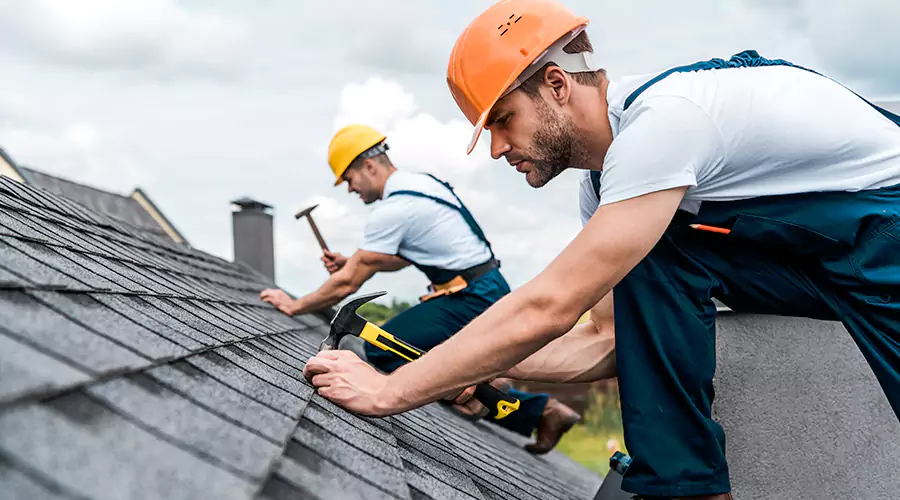
A roof inspection is more than a quick look from the ground. It is a careful review of the roof’s condition, including shingles, flashing, drainage, roof penetrations, and in many cases, attic warning signs. The goal is to catch wear and damage before it spreads.
Regular roof inspections can help you:
- Find small problems before they become major repairs
- Reduce the risk of leaks and interior water damage
- Extend the lifespan of roofing materials
- Protect insulation and attic spaces
- Keep gutters and drainage systems working properly
- Plan repairs before they become urgent
Homeowners who schedule inspections on time are often in a better position to avoid surprise roofing problems.
General Rule for Roof Inspection Frequency
A good general rule is to have your roof professionally inspected at least once every year. This annual inspection helps track wear, identify weak spots, and keep the roof in good condition as it ages.
For many homes, once a year is enough to stay ahead of common roofing issues. However, there are several situations where more frequent inspections may be a smart idea.
You may need inspections more often if:
- Your roof is older
- Your area gets frequent storms
- You have recently had roof repairs
- The home is surrounded by large trees
- You have noticed any signs of leaks or interior moisture
- The roof has a complex design with multiple slopes or features
Roof inspection timing should reflect both the age of the roof and the conditions it faces throughout the year.
Schedule an Inspection After Major Storms
Even if you already follow an annual inspection plan, it is a good idea to schedule an extra inspection after a major storm. Wind, hail, heavy rain, and falling branches can damage the roof in ways that are not always obvious right away.
Storm-related inspections are especially important after:
- Hailstorms
- Strong wind events
- Heavy rainfall
- Tropical weather systems
- Falling tree limbs or debris impact
A storm inspection can reveal missing shingles, loose flashing, hidden leaks, and impact damage before the next round of weather makes the problem worse.
Older Roofs Need More Attention
As a roof ages, the need for regular inspection becomes even more important. Roofing materials naturally wear down over time, and older roofs are more likely to develop cracked shingles, granule loss, weakened seals, and flashing issues.
If your roof is older, you may want to schedule inspections twice a year instead of once. A spring and fall inspection schedule works well for many homeowners because it helps check the roof after winter wear and before heavy weather returns.
Older roofs often benefit from more frequent attention because:
- Materials become more brittle with age
- Small weaknesses are more likely to turn into leaks
- Past repairs may need follow-up checks
- Wear tends to spread across more areas over time
The older the roof, the more valuable early problem detection becomes.
Roof Type and Material Can Affect Inspection Timing
Not all roofs age the same way. The type of roofing material installed on your home can influence how often inspections should be scheduled.
Different materials may respond differently to:
- Heat exposure
- Moisture and humidity
- Wind pressure
- Sunlight and UV wear
- Debris buildup
- Seasonal temperature changes
Some roofing systems hold up well for many years with minimal issues, while others may need closer monitoring depending on their age and local climate. A roofing professional can help recommend the right inspection schedule based on the material on your home.
Homes With Trees May Need More Frequent Checks?
If your home is surrounded by large trees, your roof may need more attention than a home with open roof exposure. Leaves, twigs, seeds, and branches can collect on the roof and in the gutters. Over time, this buildup can trap moisture and increase the chance of damage.
Tree-related roof problems may include:
- Debris buildup in valleys and gutters
- Scraping from overhanging branches
- Increased moss or algae growth in shaded areas
- Branch impact during storms
- Slower roof drying after rain
In homes with heavy tree coverage, extra inspections can help catch these issues before they affect the roof’s performance.
Signs You Should Schedule an Inspection Right Away
You do not need to wait for your yearly appointment if the roof is already showing signs of trouble. Certain warning signs should prompt a roof inspection as soon as possible.
Call for an inspection if you notice:
- Water stains on ceilings or upper walls
- Missing or lifted shingles
- Granules collecting in gutters
- A sagging roofline
- Musty odors in the attic
- Visible moss or algae buildup
- Leaks during or after rain
Best Times of Year to Schedule a Roof Inspection
Spring
Spring is a smart time to inspect the roof after winter weather and moisture exposure. Even in areas without snow, seasonal storms and temperature changes can leave behind wear that is worth checking.
Fall
Fall is another strong time for roof inspections because it allows homeowners to prepare for winter rain, wind, or colder weather. It is also a good time to remove leaves and make sure drainage systems are working properly.
After Severe Weather
Outside the usual seasonal schedule, inspections should always be considered after major storms or unusual weather events.
A planned inspection schedule gives homeowners more control instead of waiting for roofing problems to appear unexpectedly.
What Happens During a Roof Inspection?
A professional roof inspection usually includes a review of the roof surface, flashing, drainage areas, and sometimes the attic or upper interior of the home.
The roofer may look for:
- Damaged, missing, or aging shingles
- Flashing issues around vents and chimneys
- Signs of moisture intrusion
- Gutter and drainage concerns
- Sagging or soft spots
- Ventilation problems in the attic
Why Homeowners Should Not Wait Too Long?
Delaying roof inspections can lead to a chain of avoidable problems. A minor flashing issue or loose shingle may seem small today, but if left unaddressed, it can allow water in and lead to bigger damage.
Putting off inspections may increase the risk of:
- More expensive repairs later
- Mold and mildew growth
- Damaged attic insulation
- Interior ceiling and wall stains
- Reduced roof lifespan
- Emergency service needs during storms
Routine inspections are often far less costly than waiting for visible damage to spread.
Final Thoughts
So, how often should you schedule a roof inspection? For most homes, a professional inspection once a year is a smart starting point. However, older roofs, storm-prone areas, tree-covered properties, and homes with past roofing issues may need inspections more often. A roof that is checked regularly is easier to maintain and less likely to surprise you with major problems.
The best approach is to treat roof inspections as part of normal home care, not as something to do only when damage appears. When you stay proactive, you protect your roof, your home, and your budget more effectively over the long term.